Security Screens Vs Flyscreens: What's The Difference?
You open the windows, the afternoon breeze rolls through, and within minutes there are flies in the kitchen and mosquitoes hovering near the couch. It's a familiar frustration for any homeowner who wants fresh air without the unwanted guests. The obvious fix is a screen – but not all screens are built the same way, and the difference between what they can do is bigger than most people realise. Whether you've been researching
security screens in Bundaberg or comparing security doors in Bundaberg for the first time, this covers what separates a basic flyscreen from a purpose-built
security screen, which one offers genuine protection, and what Australian standards are actually worth looking for when you're ready to choose.
What Exactly Is a Standard Flyscreen?
A flyscreen is designed for one job – keeping insects out. It's the mesh panel found in a timber-framed window or basic sliding door, usually made from woven fibreglass or thin aluminium wire stretched across a lightweight frame. Flyscreens are low-cost, straightforward to replace and available in standard sizes at any hardware store. When it comes to construction, a few things stand out:
- Made from fibreglass or thin woven aluminium mesh with no resistance to cutting or impact
- Frames are lightweight aluminium or plastic, held in place with simple clips or a channel system
- No integrated locking or fixing hardware of any kind
A flyscreen does its job well when all you need is insect control. The moment physical security becomes part of the equation, it falls well short – the mesh can be pushed through, cut or pulled away with very little effort and almost no noise.
What Makes a Security Screen Different?
A security screen is an entirely different product built to an entirely different standard. Where a flyscreen uses lightweight mesh in a basic frame, a security screen combines high-tensile mesh with a heavy-gauge aluminium frame, tamper-resistant fixings and an integrated locking system. Every component is chosen to resist forced entry, not just keep insects out. The key differences in construction include:
- Mesh is made from high-tensile stainless steel or perforated aluminium, graded to resist cutting and impact
- Frames use heavier aluminium extrusions with reinforced corner joins
- Fixed to the wall or door frame using security screws or rivets
- Locking systems are built into the frame itself
The visual similarity between a flyscreen and a security screen can be misleading. Up close – and more importantly under pressure – they behave in completely different ways.
How Do the Materials Hold Up?
The mesh material is where the performance gap becomes most obvious. Fibreglass and thin aluminium mesh can be cut with scissors and pulled away from a frame without much force. Security screens use materials that are in a different class entirely. The most common options are:
- 316 marine-grade stainless steel is highly corrosion-resistant and well suited to coastal and humid environments
- 304 stainless steel offers strong impact and cut resistance for inland properties
- Perforated aluminium is lighter, comes in more colour options and resists impact well, though it sits below stainless steel for sheer strength
The right mesh depends on location, climate and the level of protection needed. A supplier familiar with local conditions will be able to point you toward the most appropriate option.
What Do Australian Standards Actually Cover?
The term "Australian Standards compliant" gets used a lot in the security screen industry. The key standard is AS 5039, which covers the requirements for security screen doors and window grilles in residential settings – and it's worth knowing what compliance actually involves before taking a product's word for it. The main standards to be aware of are:
- AS 5039 sets performance requirements including resistance to knife shear, jemmy, impact and dynamic impact tests
- AS 5041 defines the testing methods used to assess compliance
- AS 2803 covers security screen doors specifically for housing
- Products must pass independent laboratory testing to carry certification – it is not self-declared
A flyscreen carries none of these ratings. For anyone comparing security screens in Bundaberg or
security doors, asking to see compliance certification is a simple way to separate tested products from those that simply look the part.
Which Option Offers Better Protection Against Break-Ins?
When forced entry is the concern, a flyscreen provides no meaningful resistance. A security screen is specifically engineered to slow down or prevent unauthorised entry through the openings most commonly targeted in a home. There are several reasons why the difference matters in practice:
- High-tensile mesh resists cutting with hand tools – one of the most common methods used to compromise standard screens
- The frame-to-wall fixing system resists pull and jemmy attacks that would simply pop a flyscreen free
- Integrated locks add a further barrier at the point of entry
- Increased time and noise required to breach a screen deters opportunistic attempts that rely on speed and silence
No screen eliminates risk entirely, but a compliant security screen changes the practical equation for anyone attempting unauthorised entry through a window or door.
Will a Security Screen Affect Airflow or Views?
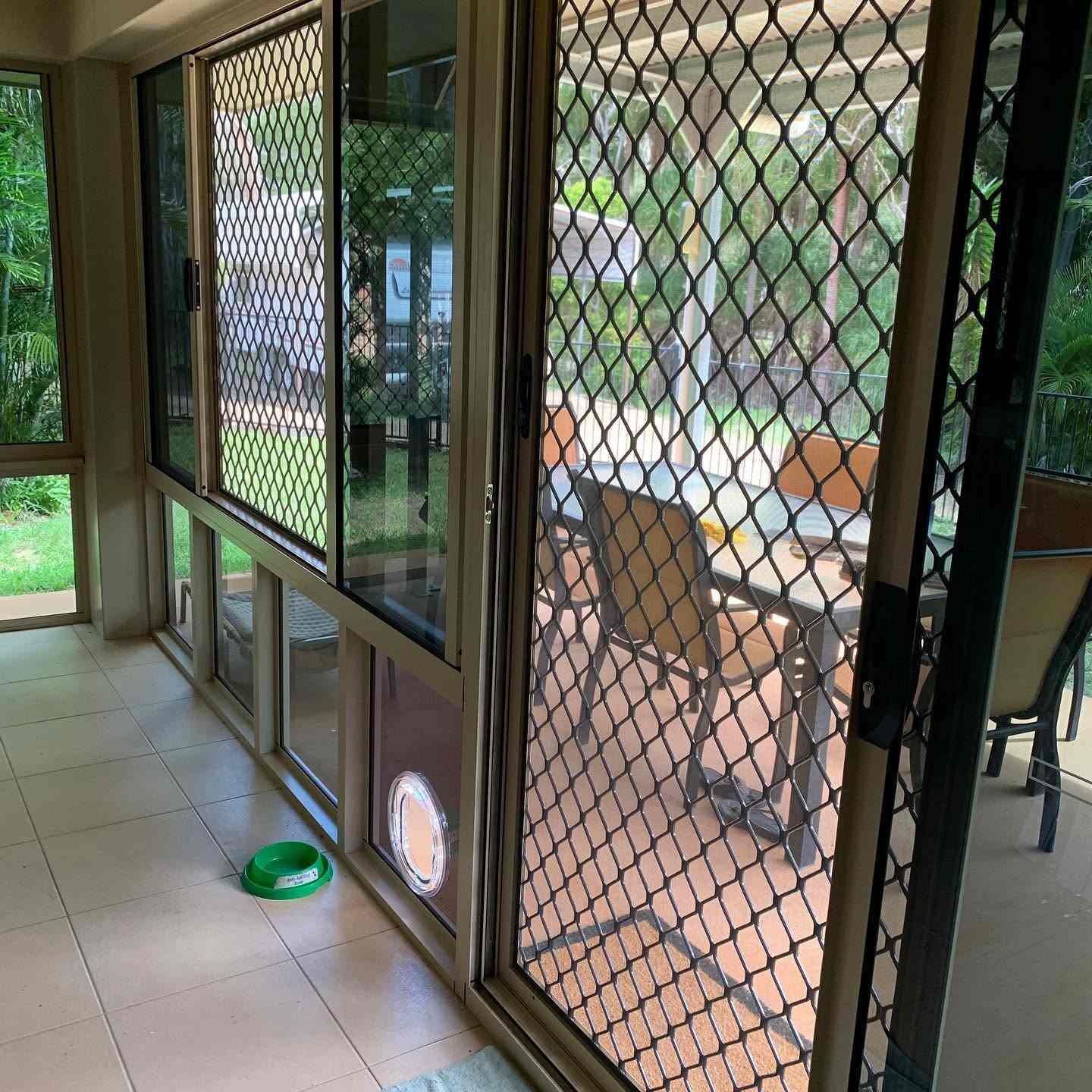
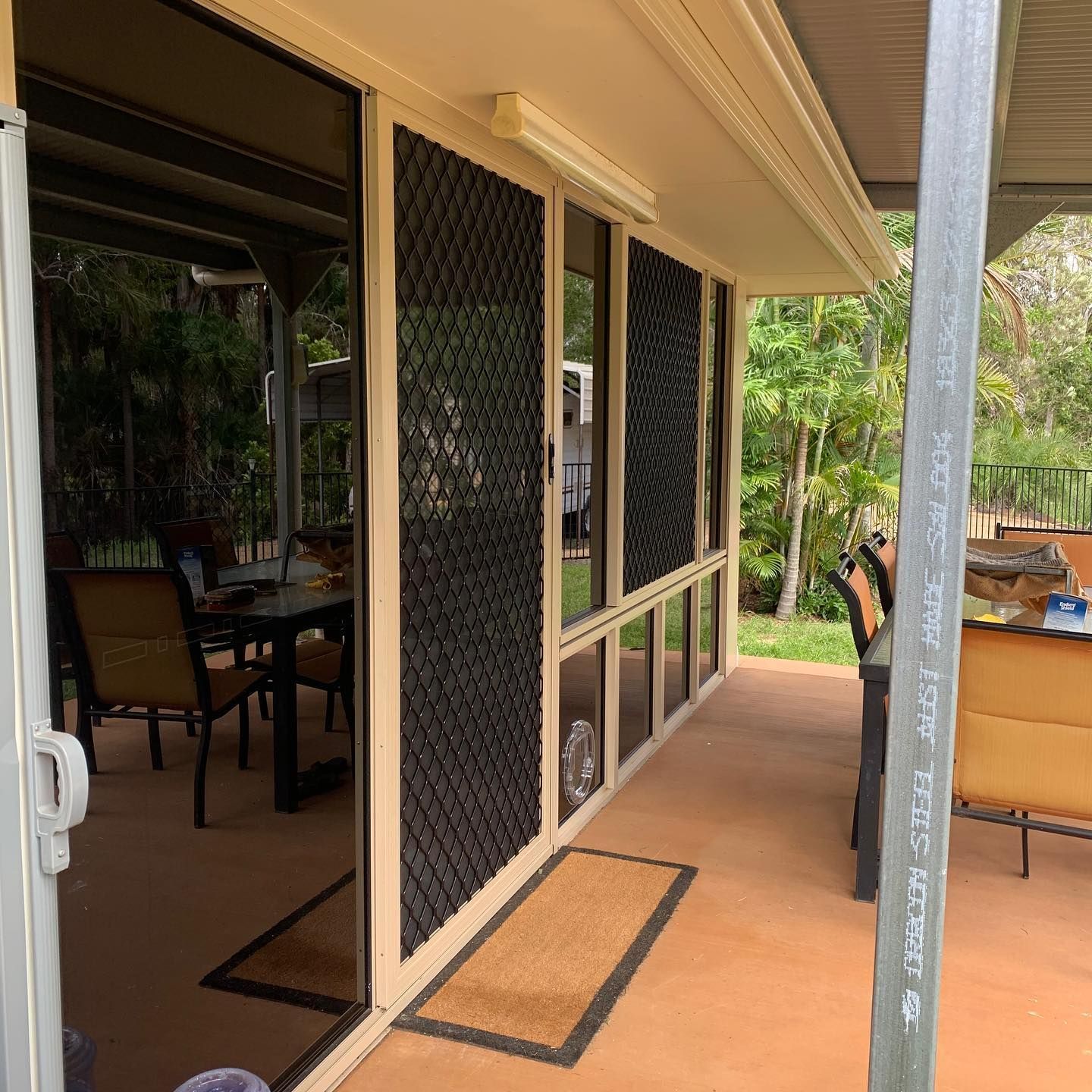
A quality stainless steel security screen mesh has an open weave that allows good airflow and maintains visibility from inside the property – a common concern that the product largely resolves in practice. When it comes to liveability, a good security screen offers:
- Strong natural airflow comparable to many standard flyscreens
- Insect exclusion as a secondary benefit, removing the need for a separate flyscreen
- Clear sightlines from inside the home, preserving outdoor views and natural light
- Perforated aluminium offers slightly different visual and airflow characteristics but still performs well in both areas
For homeowners who want doors and windows open year-round without compromising security, a quality security screen removes the need to choose between the two.
Are Security Screens a Worthwhile Long-Term Investment?
Security screens carry a higher upfront cost than flyscreens – that reflects the materials, manufacturing and installation involved. For homeowners weighing up whether the price difference is justified, it helps to look beyond the initial outlay. Over the long term, the case for security screens comes down to a few key points:
- Security screens have a significantly longer usable life than flyscreens, which fade, sag and tear with UV exposure
- Stainless steel mesh holds up well over time with minimal maintenance beyond occasional cleaning
- The cost of a screen is modest compared to the cost of a break-in, which can involve property loss, repairs and insurance claims
- Some home insurers consider security screen installations when assessing a property, though terms vary by policy
Spread across 10 to 15 years of use, the gap between a quality security screen and a standard flyscreen narrows considerably.
What Should You Look for Before Making a Decision?
Approaching the decision with a clear checklist makes it easier to compare products and ask the right questions of a supplier. The most important factors are mesh grade, frame construction, compliance certification and which openings on the property most need attention. Before committing to a product, it's worth confirming:
- Compliance with AS 5039 for any product marketed as a security screen or security door
- Mesh type relative to your environment – stainless steel suits coastal areas, perforated aluminium may suit drier inland properties
- Frame gauge, corner join construction and the fixings used to attach the frame to the wall
- Ground-floor openings and entry doors as the priority, as these are most commonly targeted
A good supplier offering security doors in Bundaberg will take on-site measurements, discuss your specific property layout and recommend products suited to your situation.
Ready to Find the Right Screen for Your Home?
At
Moore Park Beach Glass & Security, we supply and install security screens in Bundaberg and
security doors in Bundaberg for homeowners who want lasting protection without giving up the cross-breeze. We offer a free measure and quote service, coming to you to assess your property and walk you through options that suit your home, your openings and your budget.
Get in touch today and let's find the right fit for your property.